


26 Jun Ten tips to prevent jet lag
1. Try to anticipate.
To mitigate the change and help your body adapt to the new time zone of the country you’re travelling to, try going to bed earlier and waking up earlier than usual in the days leading up to your trip if you’re heading east, or stay up later and wake up later if you’re travelling westward.

2. Get a good night’s sleep before the trip.
To try to prevent fatigue caused by jet lag, it’s important to rest well before the trip by getting enough sleep the night before, so you can tackle the journey as fresh as possible and allow your body to recover sooner.

3. Adjust to the schedule of your destination.
During the journey, try to align your sleeping hours with those of the destination, avoiding excessive sleep on the flight if you’re arriving in the evening or night, or conversely, taking advantage of the flight hours to sleep if you’re arriving in the morning, to stay active during the day. Change the time on your watches to adjust to the schedule you’ll follow during those days. If the stay is short, less than two days, your body may not have enough time to adapt (it usually takes between 2 to 7 days to do so), so the best option in this case would be to stick to your usual home time zone.

4. Rest during the journey.
Try to rest and even sleep, according to the previous recommendations, on the plane and do it as comfortably as possible. For this, it will be helpful to have a sleep mask to prevent light from bothering you, earplugs or relaxing music in case the environment is too noisy.

5. Drink enough water.
The dry environment and altitude typical of plane travel will cause your body to lose a lot of fluids, so you should make sure to hydrate adequately.
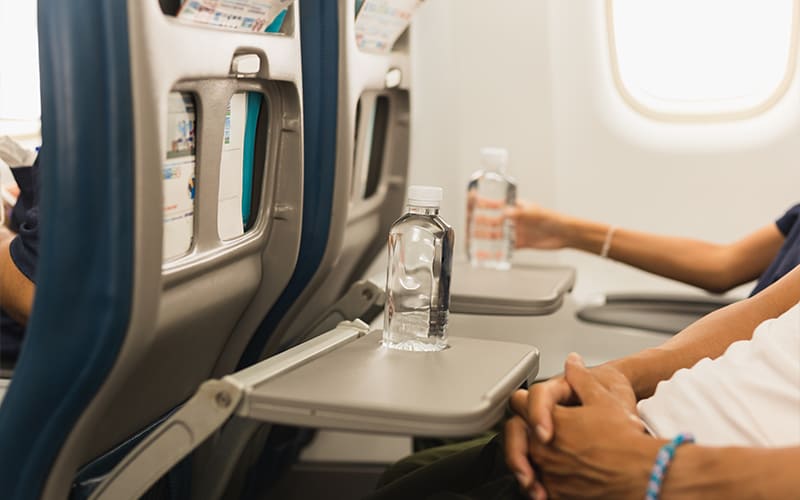
6. Avoid alcohol.
To quench your thirst, don’t turn to alcoholic beverages, as they can worsen sleep quality and dehydrate you, so it’s advisable to avoid them to not exacerbate jet lag symptoms.

7. Don’t overdo it with coffee.
Caffeine can help you stay awake if needed for your destination’s schedule, but you shouldn’t consume more than you usually do.

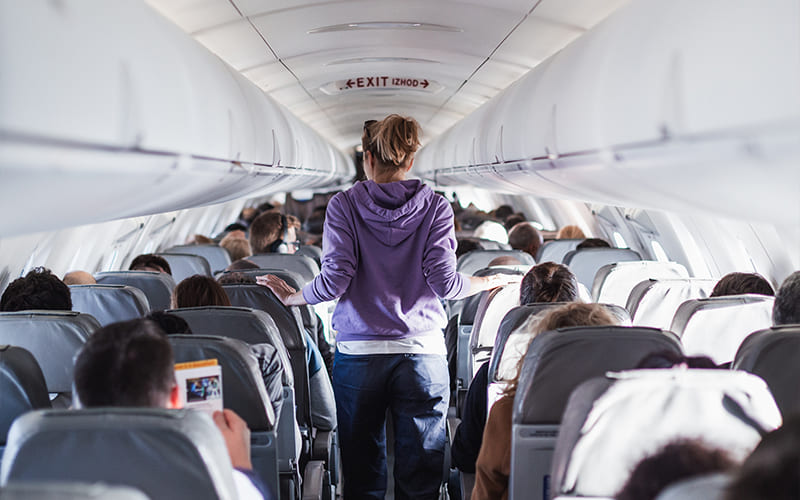
8. Don’t stay still.
Get your blood circulating by taking a walk around the plane, getting up from your seat, or simply doing some exercises to improve leg mobility. This will also help decrease overall body tension.
9. Give yourself time to acclimate.
Once at your destination, and if the trip will last several days, try to adjust your biological clock to the local time by eating meals regularly at corresponding hours and trying to spend time outdoors during daylight hours.

10. Melatonin can be moderately effective.
Visit your pharmacy for advice on nutritional supplements containing melatonin, a hormone that regulates body rhythms and can help reduce the time needed to fall asleep. As a medication, it is used for the treatment of certain types of sleep disorders. Consult with your doctor if these solutions may be beneficial for you, considering your characteristics and the type of trip you’re undertaking.


















Sorry, the comment form is closed at this time.