


06 Ago The Origin of Tourist Trains
Before commercial flights or highways existed, the train was the true star of the transport revolution. By the mid-19th century, this means of travel was not only connecting cities and regions but also gave birth to a new way of travelling: railway tourism.
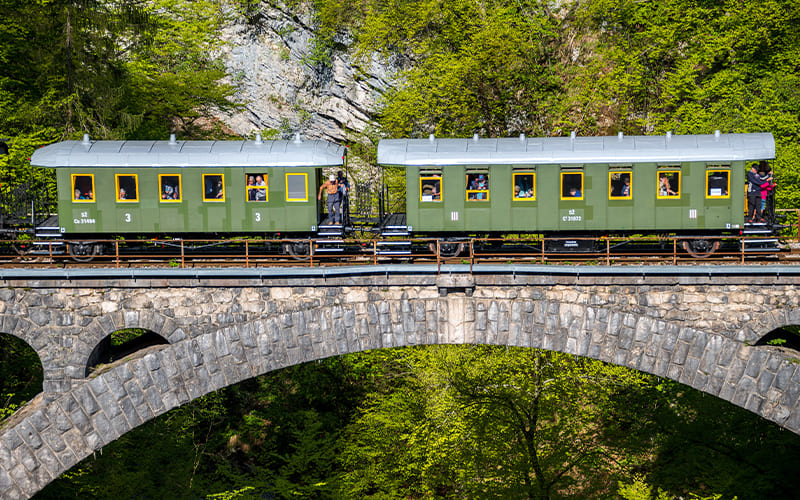
The concept of the tourist train was born thanks to the vision of Thomas Cook, a British businessman considered the father of modern tourism. In 1841, he organised a train trip for a group attending a temperance meeting. Although the purpose wasn’t leisure, the success of the experience inspired Cook to offer organised trips for enjoyment. So, in 1845, he launched the first ever train journey with holiday intentions: an excursion from Leicester to Scarborough Castle, on the English coast.
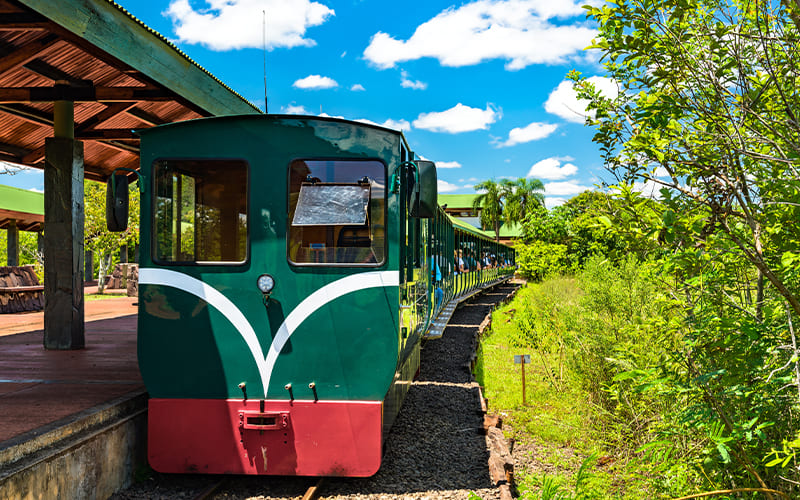
As trains expanded across Europe and America, special routes for travellers began to appear. More comfortable carriages were offered, along with onboard services and stops at places of interest. One of the most luxurious examples was the Orient Express, launched in 1883, which connected Paris with Istanbul and offered an exclusive and refined travel experience.

Over time, tourist trains diversified — from scenic journeys through rural or mountainous areas, to themed or historic trains. Today, this way of travelling brings back the charm of the past, allowing passengers to enjoy the landscape at a different pace and turning the journey itself into an essential part of the adventure.
















Sorry, the comment form is closed at this time.