


24 Dic Culinary History: Christmas Dishes
Christmas food is a tradition that brings together cultures, families, and generations. Its origins date back to the pagan celebrations of the winter solstice, when people shared feasts to give thanks for the harvest. Over time, Christian Christmas adopted this custom, turning the festive table into the heart of the celebration. Each country added its own ingredients and traditions, creating a rich variety of dishes that reflect local history, climate, and flavors.
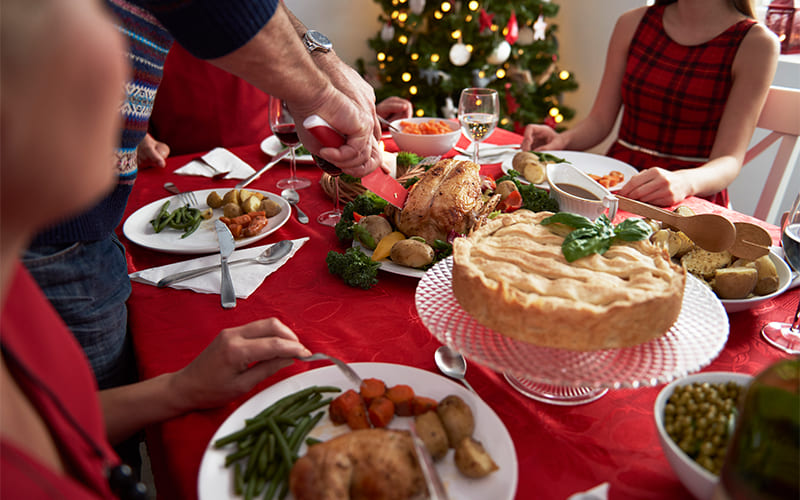
Among the most traditional dishes around the world, five stand out as true classics. Roast turkey, originally from North America, became popular in Europe in the 16th century and is now a universal symbol of the Christmas dinner. Roast suckling pig, common in Latin America, represents abundance and celebration.
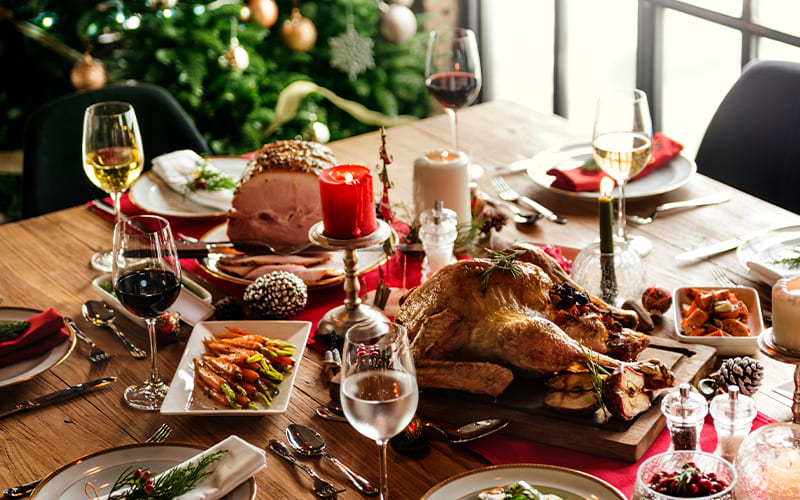
The Italian panettone, filled with candied fruits, was born in Milan and became the quintessential Christmas dessert. Portuguese bacalhau, cooked with potatoes and eggs, honors the country’s seafaring heritage. And German stollen, a sweet bread covered in sugar, symbolizes the blanket of baby Jesus.
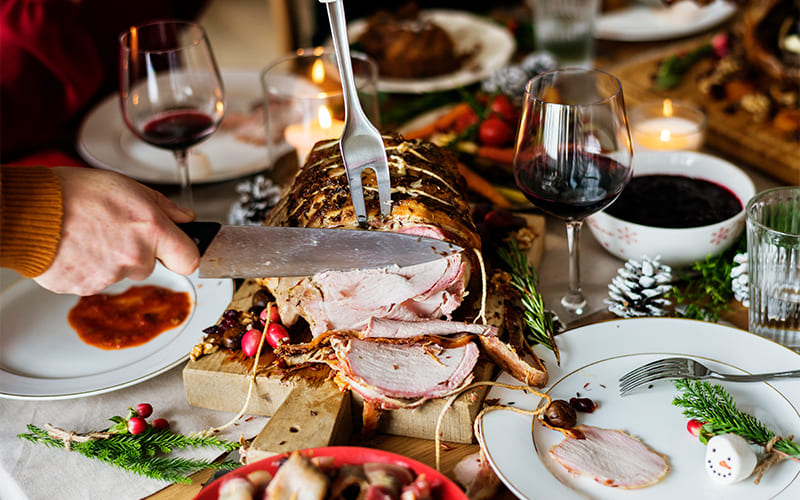
More than just a menu, Christmas dishes are an expression of unity, gratitude, and joy. Each recipe carries a family story and a familiar taste that, year after year, brings everyone back together around the table













Sorry, the comment form is closed at this time.