

25 Feb Culinary History: The Origin of the Caesar Salad
When we think of Caesar salad, many people automatically associate it with Italy or even ancient Rome. However, its real story is far from Europe. This iconic dish was created in Mexico, specifically in the city of Tijuana, and its origin is closely linked to migration, improvisation and a very particular moment in history.

In the early 20th century, Italian brothers Caesar and Alex Cardini migrated to the United States. In 1919, Caesar opened a restaurant in California and, shortly after, in 1920, he opened Caesar’s Place in Tijuana, right on the US–Mexico border. During the Prohibition years, many Americans crossed the border to drink, eat and socialise legally, turning Tijuana into a popular food and nightlife destination.
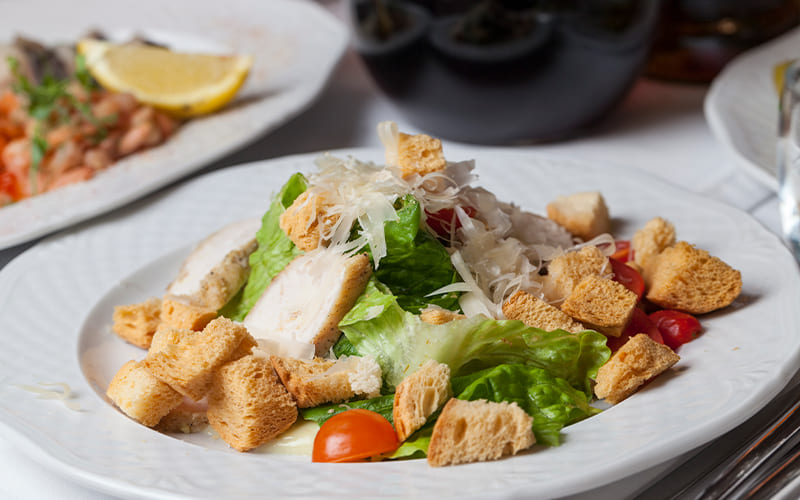
According to the most widely accepted version, on 4 July 1924, during the busy Independence Day weekend, the restaurant was packed and Caesar ran out of ingredients for his usual menu. Instead of closing the kitchen, he improvised with what he had on hand: whole romaine lettuce leaves, lightly boiled eggs, olive oil, lemon juice, garlic, black pepper and Parmesan cheese. That moment gave birth to the Caesar salad.

Another version suggests that the recipe evolved from the so-called aviator’s salad, created by Alex Cardini, who had been a pilot during the First World War. This variation included anchovy paste, an ingredient that still divides opinions today.
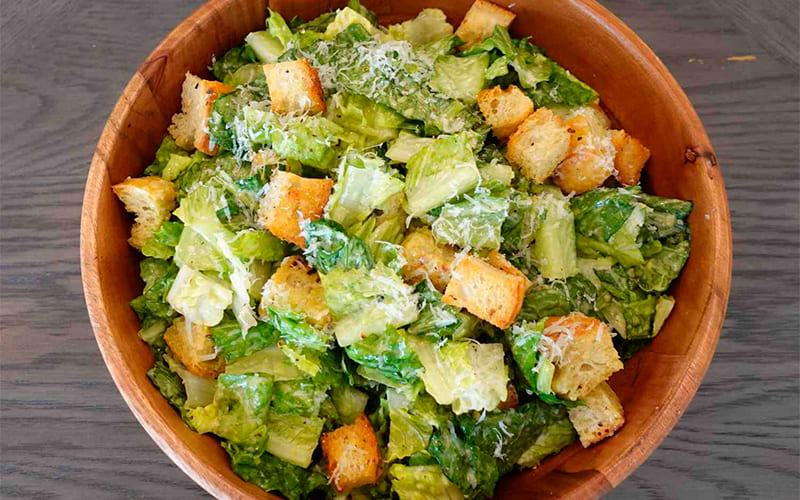
An interesting detail is that the salad was originally eaten with the hands, using the whole lettuce leaves to scoop up the dressing. Today, the Caesar salad is enjoyed all over the world, but its roots remain border-born, creative and deeply shaped by Latin American history.















Sorry, the comment form is closed at this time.