


28 Dic Adapting to Time Zone Differences
Dealing with time zone differences can be one of the biggest challenges when traveling to a new country, but with some effective strategies, you can minimize the impact of jet lag and adapt more quickly to your new schedule.

The first crucial step is to adjust your biological clock before you leave. If possible, start modifying your sleep schedule a few days before the trip by gradually shifting your bedtime and wake-up time according to the time zone of your destination.This will help your body adapt to the new time zone before you arrive and may reduce the initial shock of the time change.
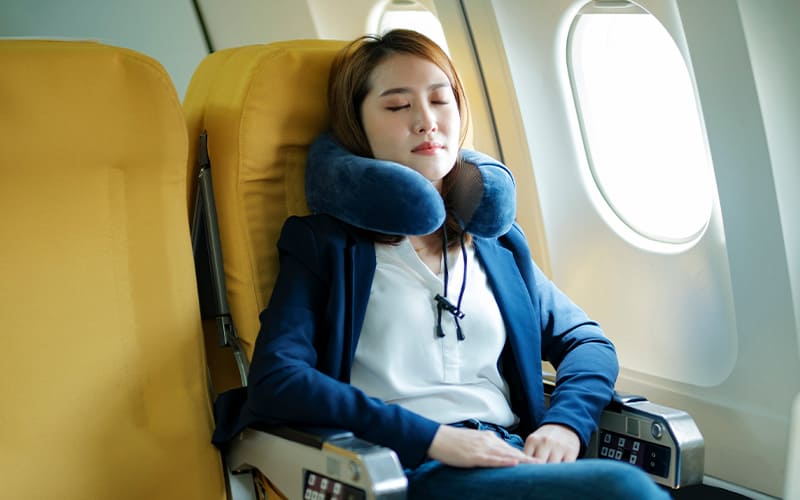
It’s important to stay hydrated and avoid excessive caffeine and alcohol, as these substances can interfere with your circadian rhythm and exacerbate jet lag. Try to sleep during the flight if it’s nighttime at your destination and stay awake if it’s daytime. Using a sleep mask and earplugs can help you rest better.

Upon arrival, expose yourself to natural light during the day and stick to a regular sleep routine. Sunlight is a powerful tool for resetting your biological clock and helping your body synchronize with the new time zone.

Listen to your body and give yourself time to adapt. Jet lag can affect your energy levels and mood, so it’s crucial not to overload yourself with immediate activities. Allow yourself to rest and recover during the first few days so you can fully enjoy your trip.

Adopting a flexible and positive attitude towards the adaptation process will help you overcome time zone differences more easily and make the most of your experience abroad.
















Sorry, the comment form is closed at this time.