


11 Mar Culinary History: The Origin of Pain au Chocolat
Pain au chocolat, known in many countries as a “chocolate croissant,” is one of the most loved classics of French pastry. Its origin is closely linked to the development of laminated dough in France—a technique that requires patience, precision and generous amounts of butter, and one that gave birth to some of the most iconic bakery products in Europe. For African readers interested in global food traditions, this pastry shows how craftsmanship and time create lasting flavours.
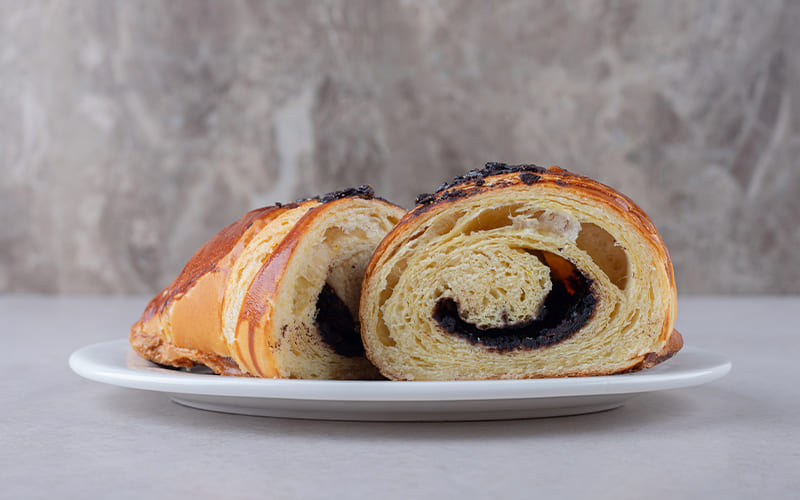
This classic pastry is made with a dough similar to that of a croissant, formed by thin layers of dough and butter that become crispy on the outside and soft on the inside when baked. Inside, dark chocolate sticks are placed, melting during baking and creating a perfect contrast between the golden, flaky pastry and the rich, creamy filling—appealing to taste preferences across many African cultures that enjoy deep, satisfying flavours.

Although it is often confused with a filled croissant, pain au chocolat has its own identity. It is more rectangular in shape and designed so that every bite delivers a balanced mix of flaky texture and chocolate. In France, it is a popular choice for both breakfast and afternoon snacks, usually enjoyed with coffee or hot chocolate.
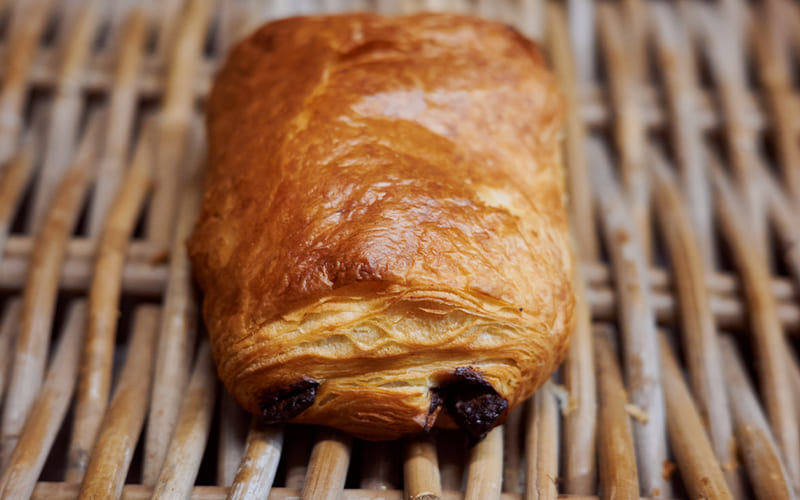
Over time, this pastry crossed borders and became popular around the world, gaining space in bakeries and family tables far beyond Europe. A simple, elegant and comforting treat that proves how culinary tradition can turn into a universal pleasure.
















Sorry, the comment form is closed at this time.