

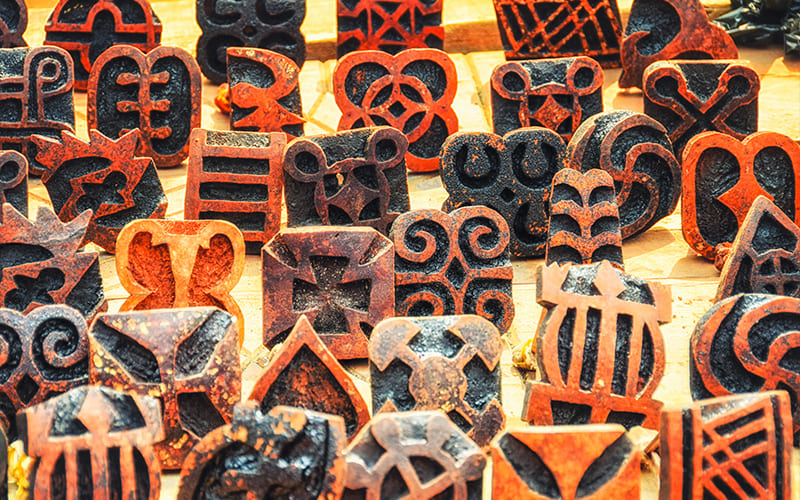
08 Jul Kumasi: Five Places You Must Not Miss
Kumasi, the vibrant capital of the Ashanti region , is a fascinating destination offering rich history, vibrant culture, and stunning natural beauty. If you’re planning to visit this charming city, here are five specific places you simply can’t afford to miss:
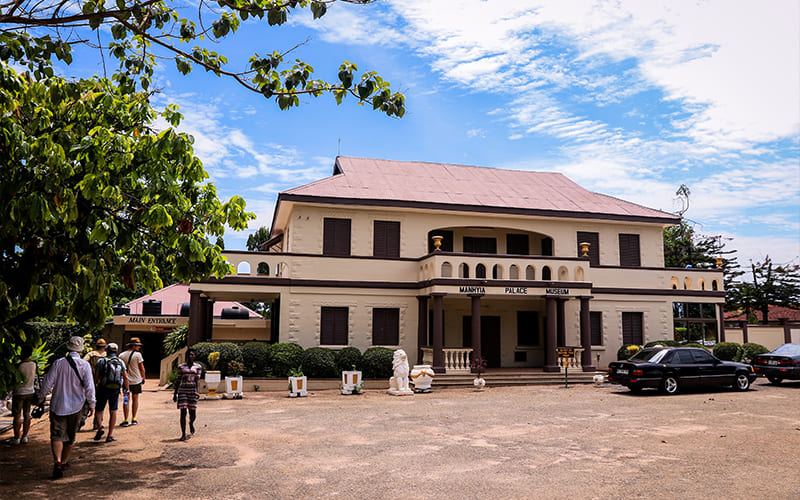
- Manhyia Royal Palace: Immerse yourself in the history and tradition of the Ashanti region by exploring the majestic Manhyia Royal Palace. This palace serves as the official residence of the Ashanti king and offers fascinating exhibitions highlighting the rich cultural heritage of the Ashanti people. Discover historical artifacts, photographs, and royal regalia as you learn about the region’s history and culture.
- Kejetia Market: Dive into the bustling atmosphere of Kejetia Market, one of the largest open-air markets in West Africa. Explore the maze of stalls offering a wide variety of products, from colourful fabrics and traditional jewellery to medicinal herbs and fresh produce. It’s the perfect place to immerse yourself in Kumasi’s daily life and discover authentic local culture.

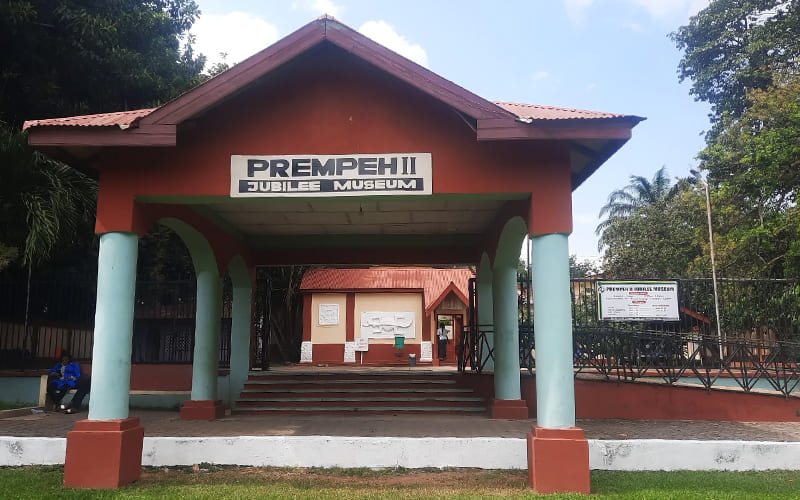
- Prempeh II Cultural Museum: Uncover the rich history and culture of the Ashanti region at the Prempeh II Cultural Museum. This museum boasts a fascinating collection of historical artifacts, including royal relics, traditional costumes, musical instruments, and artwork. Learn about the rise of the Ashanti Empire, its traditions, and beliefs as you explore the museum’s informative galleries.
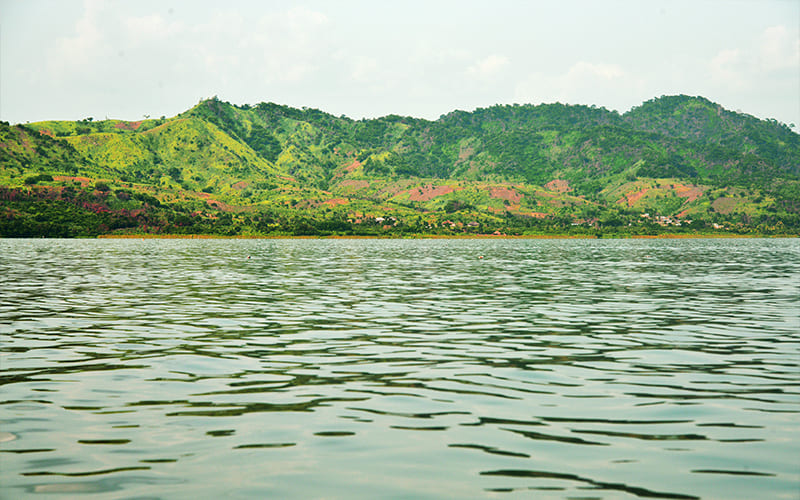
- Lake Bosomtwe: Escape the city’s hustle and bustle and immerse yourself in the serenity of Lake Bosomtwe, a sacred crater lake located just outside Kumasi. Enjoy activities such as boating, fishing, and hiking while marveling at the lake’s stunning views and natural surroundings. It’s the perfect place to relax and connect with nature.
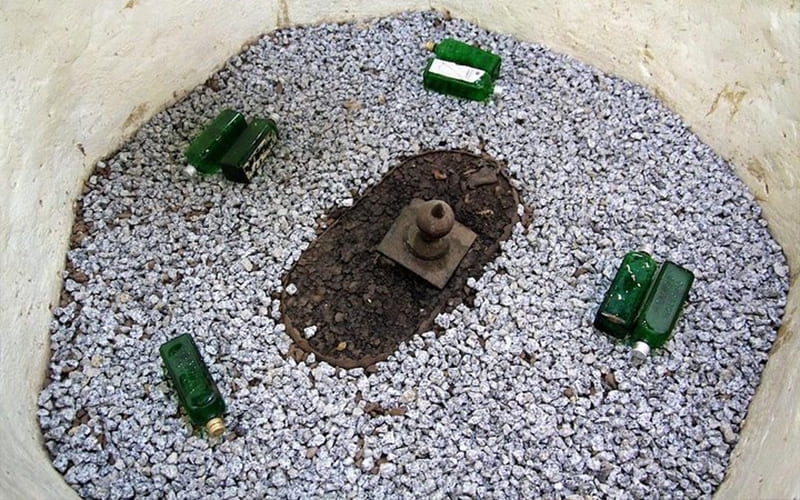
- Okomfo Anokye Cultural Centre: Delve into Ashanti mythology and spirituality at the Okomfo Anokye Cultural Centre. This historic site commemorates the exploits of the legendary priest Okomfo Anokye and houses the Tree of Life, purportedly planted by Okomfo Anokye himself over 300 years ago and still growing today. Explore temples, shrines, and sacred gardens as you learn about the region’s history and spiritual traditions.












Sorry, the comment form is closed at this time.