

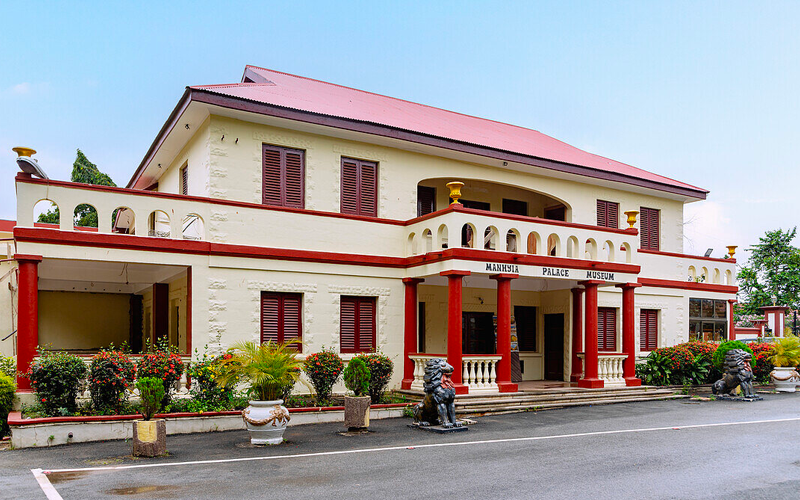
28 May Manhyia Palace Museum
The Manhyia Palace Museum stands as a unique creation in West Africa, crafted by the Asante Kingdom to honor its leaders and share the wealth of its history and culture with the world. Despite its relatively modest size, the museum is a treasure trove of history, surpassing its dimensions in significance and age, making a visit truly worthwhile.
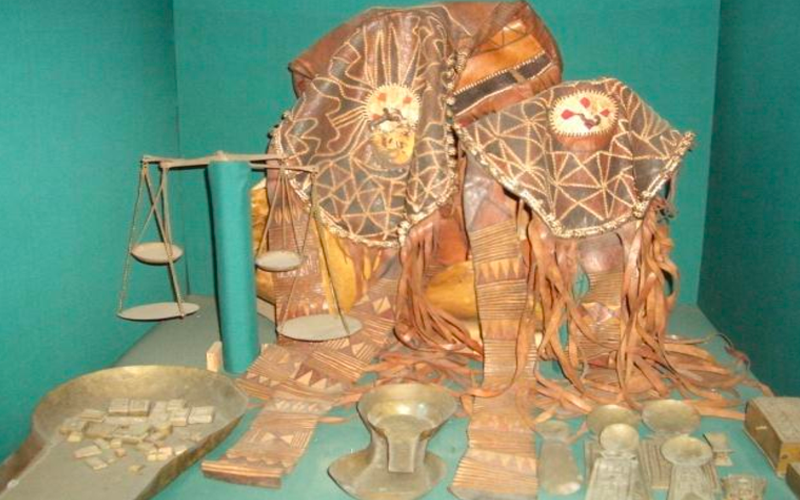
The historical importance of the museum extends to its building, which serves as a home for a variety of exhibits, including royal regalia, photographs, medals, furniture, drums, and palanquins, some dating back over two centuries. Among the notable artifacts is a battle dress from 1900 and effigies representing all past kings and the current occupant of the Golden Stool.
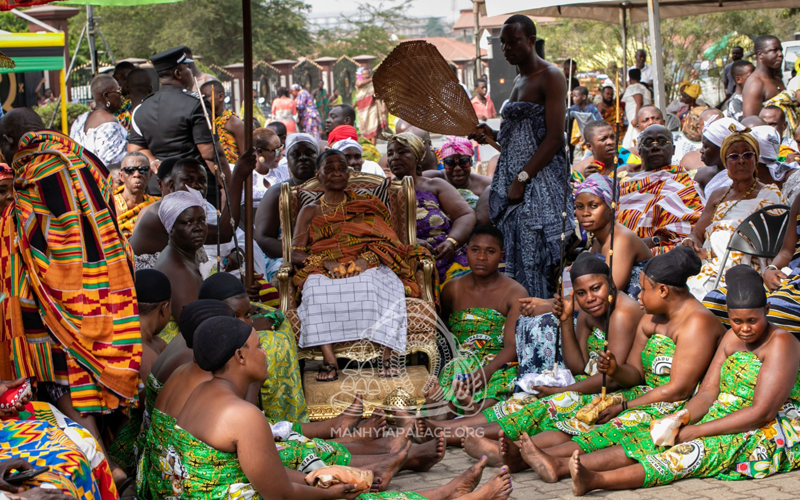
Visitors to the museum can explore video presentations elucidating Asante history and the cultural richness that defines it. The collection showcases splendid examples of the renowned goldwork of the Asante people, featuring gold weights, bracelets, and pots for gold dust, including items removed from the Palace by Lord Baden Powell in 1896.
Historical Significance:
The Manhyia Palace Museum, established in the former residence of Otumfuo Agyeman Prempeh I and Otumfuo Sir Osei Agyeman Prempeh II, the thirteenth and fourteenth Kings of Asante, holds paramount historical significance. Originally built in 1925 as a private residence for Asantehene Agyeman Prempeh I by the British Colonial Government upon his return from Seychelles after a 28-year exile, it later became the epicenter of Asante rule.
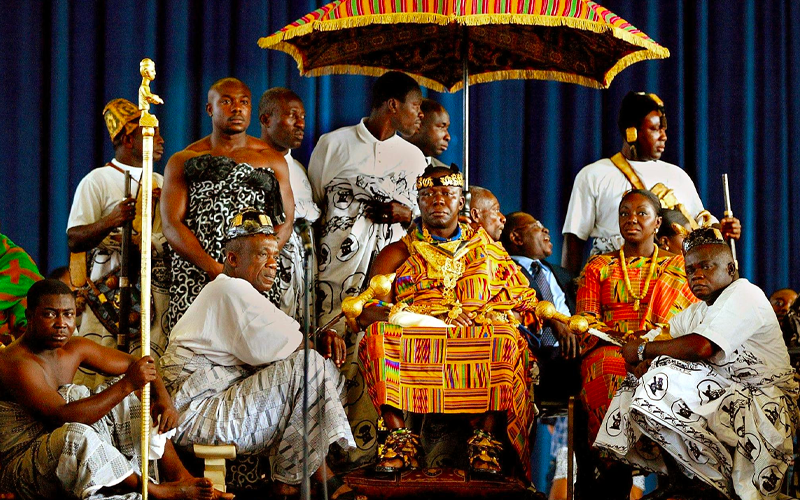
The refusal of the Asante people to accept the building as a gift until they had paid for it reflects their commitment to preserving the dignity of their king. The lower floor of the museum preserves the living quarters of Otumfuo Agyeman Prempeh II, offering a glimpse into the life and service of this revered leader.
Exhibits within the Museum:
The life-sized effigies within the museum represent key figures in Asante history, from Otumfuo Agyeman Prempeh I to the reigning Asante King, Otumfuo Osei Tutu II. The exhibits span various regalia, photographs, medals, furniture, drums, and palanquins, some over two centuries old, providing a rich tapestry of Asante history.
Official Opening:
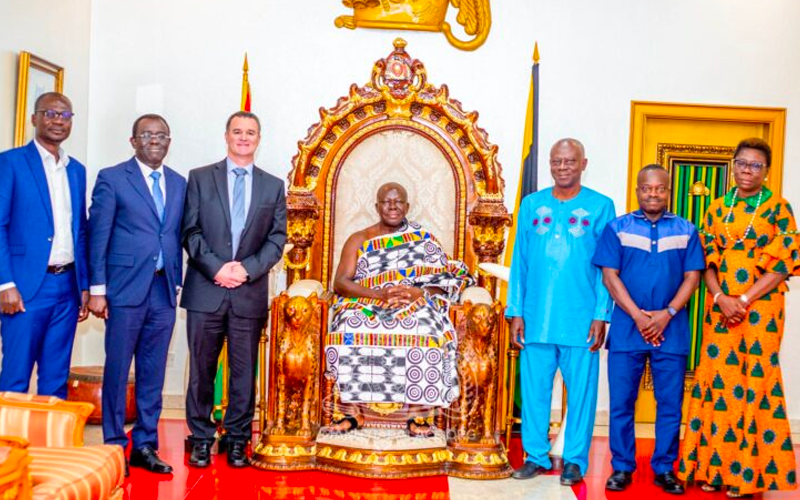
The Museum officially opened its doors on August 12, 1995, under the patronage of Otumfuo Opoku Ware II, the 15th King of Asante. The two-story building with open verandas and an additional outhouse serves as a testament to the enduring legacy of the Asante Kingdom.
What to Do:
Guided by professional tour guides, visitors can delve into the intricate history of the Ashanti kingdom, exploring royal lineages, rituals, and the struggles against British colonial forces. A visit to the museum offers an educational and immersive experience, providing insights into the cultural richness of the Asante people. Additionally, the museum shop offers a chance to purchase souvenirs, including reasonably priced local and regional items.













Sorry, the comment form is closed at this time.