

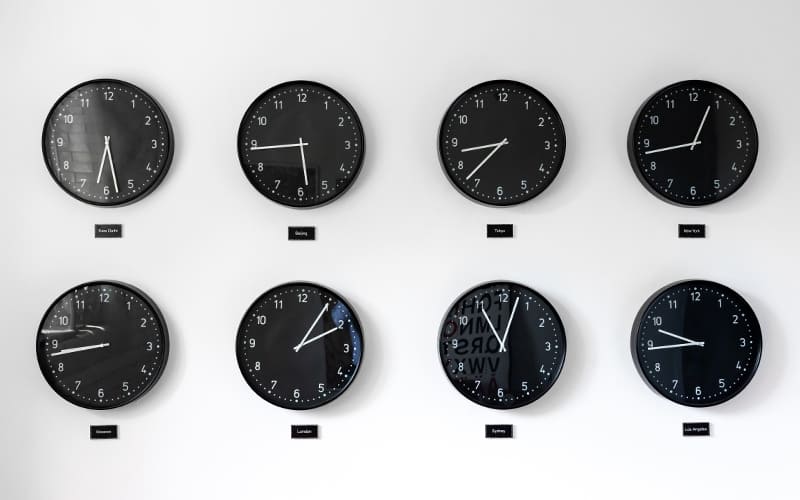
24 Jul Tips for Adapting to Time Zone Changes During Your Travels
One of the most common challenges when traveling is adapting to time zone changes, especially when crossing different time zones. Jet lag can affect your energy and overall well-being, but with the right strategy, you can minimize its effects and fully enjoy your adventure. Here are some useful tips for adjusting to time zone changes while traveling:

Adjust Your Schedule Before Departure: If possible, start adjusting your sleep schedule a few days before your trip. Gradually shift your bedtime and wake-up time to better align with the time zone of your destination.

Stay Hydrated and Well-Nourished: Drinking enough water and following a balanced diet can help your body adapt to the time zone change more quickly. Avoid excessive caffeine and alcohol, as they can interfere with your ability to fall asleep and adjust to the new schedule.

Take Advantage of Natural Light: Exposure to natural light can help regulate your biological clock and facilitate adaptation to the time zone change. During the day, spend time outdoors and expose yourself to direct sunlight. In the evening, reduce exposure to artificial light and use sleep masks if necessary.
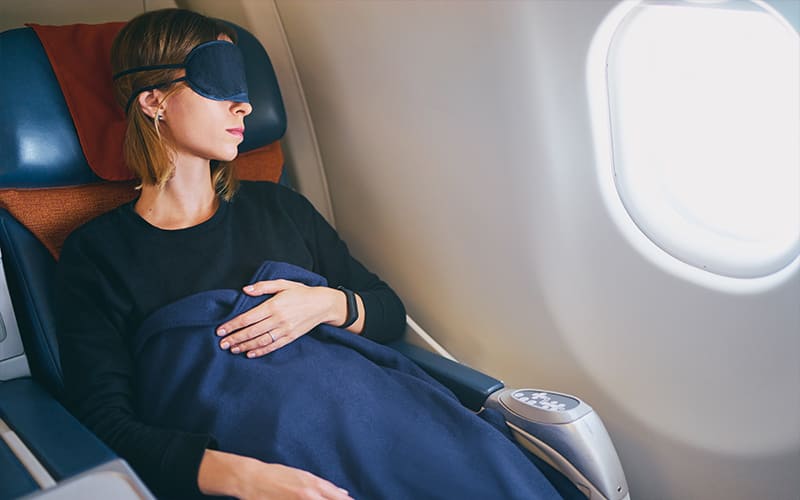
Rest on the Plane: If your flight crosses multiple time zones, try to rest on the plane according to the schedule of your destination. Adjust your watch and try to sleep during the usual sleeping hours at your destination to minimize jet lag upon arrival.

Establish a Sleep Routine: Once you arrive at your destination, try to establish a regular sleep routine as soon as possible. Go to bed and wake up at the same time every day, even if you’re still adjusting your internal clock.
















Sorry, the comment form is closed at this time.